
Introduction to Magnetic Resonance Angiography (MRA)
Magnetic resonance angiography is a safe way to look at blood vessels. Doctors use it to check for problems in arteries and veins. Because it is non-invasive, you do not need surgery. Many people want to know what to expect from MRA. This guide will help you understand the process and answer common questions.
What is Magnetic Resonance Angiography?
Magnetic resonance angiography, or MRA, is a type of MRI scan. It creates clear pictures of blood vessels in your body. Unlike some tests, MRA does not use X-rays. Instead, it uses strong magnets and radio waves. As a result, it is safer for most people. Doctors often use MRA to find blockages or other issues in blood vessels.
How Does MRA Work?
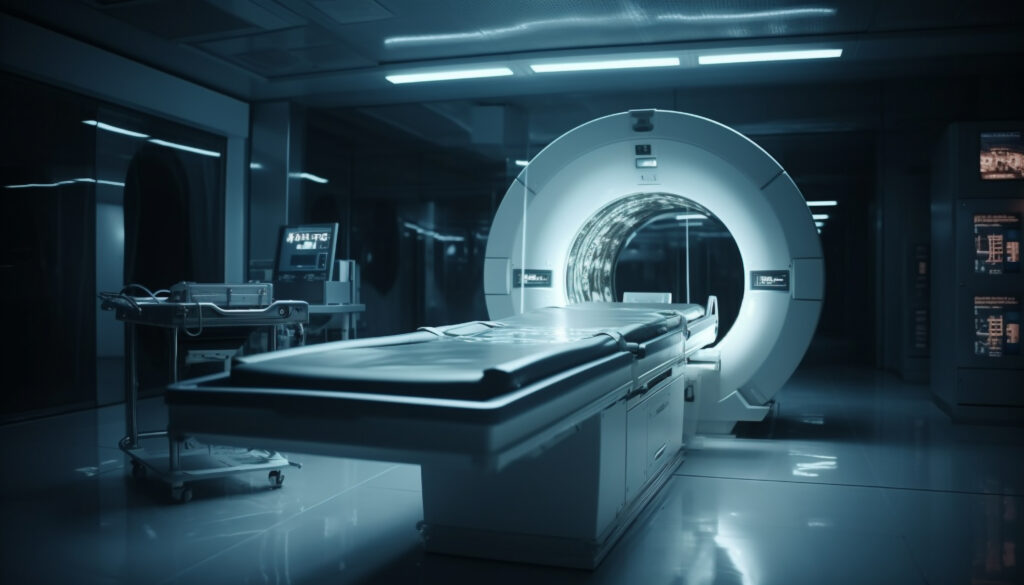
MRA uses a large machine called an MRI scanner. First, you lie on a table that slides into the scanner. The machine uses magnets and radio waves to make images. Sometimes, a special dye called contrast is injected into your vein. This dye helps highlight your blood vessels. Because the scan is painless, you only need to stay still during the test.
Common Reasons for an MRA
Doctors may order an MRA for many reasons. For example, they may want to:
In many cases, MRA helps doctors make better treatment decisions.
What to Expect During the Procedure
Before the scan, a technologist will explain the steps. Next, you will change into a gown and remove metal items. If contrast dye is needed, you may get a small injection. Then, you will lie on a table that moves into the scanner. The machine makes loud noises, but you can wear earplugs. Most scans take 30 to 60 minutes. Although you must stay still, you can talk to the technologist at any time.
Benefits and Risks of MRA
MRA has many benefits. For instance, it is non-invasive and does not use harmful radiation. The images are very detailed, so doctors can spot problems early. However, there are some risks. Some people may have an allergic reaction to the contrast dye. Rarely, people with kidney problems may need extra care. Overall, MRA is safe for most people, according to the Centers for Disease Control and Prevention (CDC).
How to Prepare for an MRA
Preparing for an MRA is simple. Here are some tips:
Because each center may have different rules, always ask your provider for details.
After the Procedure: What Happens Next?
After the scan, you can usually go home right away. If you received contrast dye, drink plenty of water to help flush it out. Your doctor will review the images and discuss the results with you. Sometimes, more tests may be needed. However, most people can return to normal activities the same day.
Frequently Asked Questions about MRA
Conclusion and Call-to-Action
In summary, magnetic resonance angiography is a safe and effective way to check blood vessels. It helps doctors find problems early and plan the best treatment. If your doctor suggests an MRA, you now know what to expect. Consult a radiology specialist at Vista Imaging and Medical Centre Private Limited to learn if magnetic resonance angiography is right for you.