What is CT Enterography?
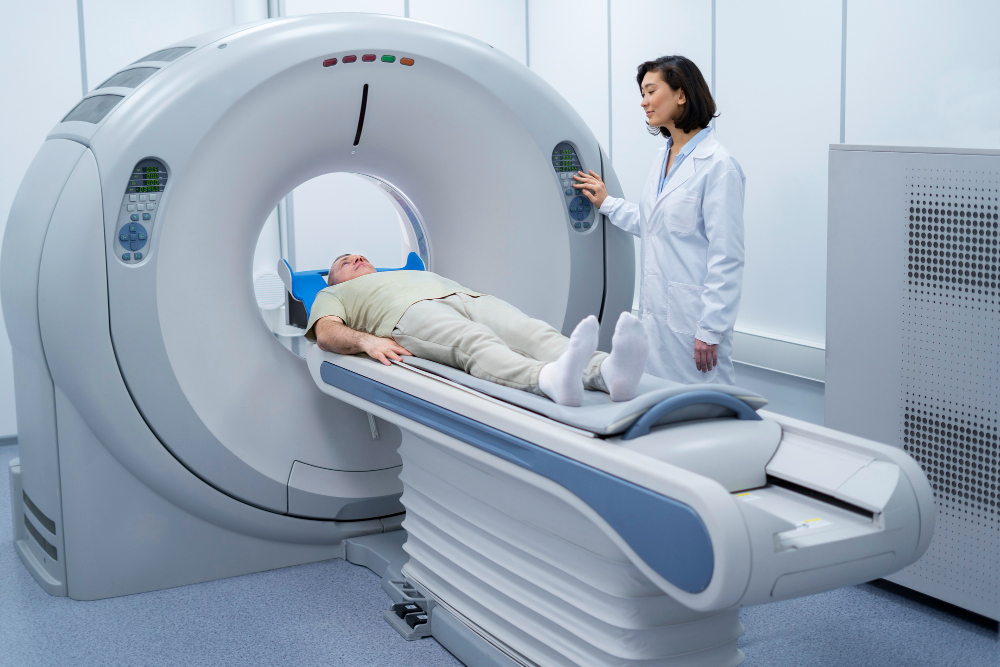
CT Enterography is a special type of scan. It uses a CT (computed tomography) machine to take clear pictures of your small intestine. This non-invasive bowel test helps doctors see inside your gut without surgery. As a result, CT Enterography is often used to find and diagnose gut problems. Many people find this test helpful because it gives detailed images that regular scans may miss.
How Does CT Enterography Work?
First, you drink a special liquid that helps highlight your small intestine. Then, you lie on a table that moves through the CT scanner. The machine takes many pictures from different angles. These images are combined to give a full view of your small intestine. Because of this, doctors can spot problems more easily. The process is quick and usually takes less than an hour.
Common Symptoms and Gut Disorders Evaluated with CT Enterography
Doctors may suggest CT Enterography if you have certain symptoms. For example, you might need this test if you have:
CT Enterography helps diagnose many gut disorders, such as:
Indications and Reasons for the Test
Doctors order CT Enterography for several reasons. Sometimes, other tests do not give enough information. In those cases, this scan provides a clearer view. Additionally, it is useful for:
Because it is non-invasive, many people prefer this test over more invasive options.
Preparation and Procedure Steps
Before your CT Enterography, your doctor will give you instructions. Usually, you need to:
During the test:
Afterward, you can usually return to your normal activities right away.
Benefits and Risks
CT Enterography offers many benefits. For instance, it provides detailed images of the small intestine. This helps doctors make a more accurate gut disorder diagnosis. Also, it is non-invasive and does not require surgery. However, there are some risks to consider:
Most people have no serious side effects. Still, it is important to talk to your doctor about any concerns.
How CT Enterography Aids in Diagnosis and Treatment
Because CT Enterography gives clear images, doctors can see even small changes in your gut. This helps them find the cause of your symptoms. As a result, you may get a faster and more accurate diagnosis. In addition, the test helps doctors plan the best treatment for you. For example, it can show if medicine is working or if surgery is needed. According to the World Health Organization, early and accurate diagnosis improves treatment outcomes.
Prevention and Lifestyle Tips for Gut Health
While CT Enterography helps diagnose problems, keeping your gut healthy is important too. Here are some tips:
By following these steps, you can help prevent many gut disorders.
Conclusion
In summary, CT Enterography is a safe and effective way to look at the small intestine. It helps doctors diagnose and treat gut disorders with greater accuracy. If you have ongoing gut symptoms, this test may provide the answers you need. Consult a radiology specialist at Vista Imaging and Medical Centre Private Limited for personalized advice on CT Enterography and gut health.