What Is a CT Scan?
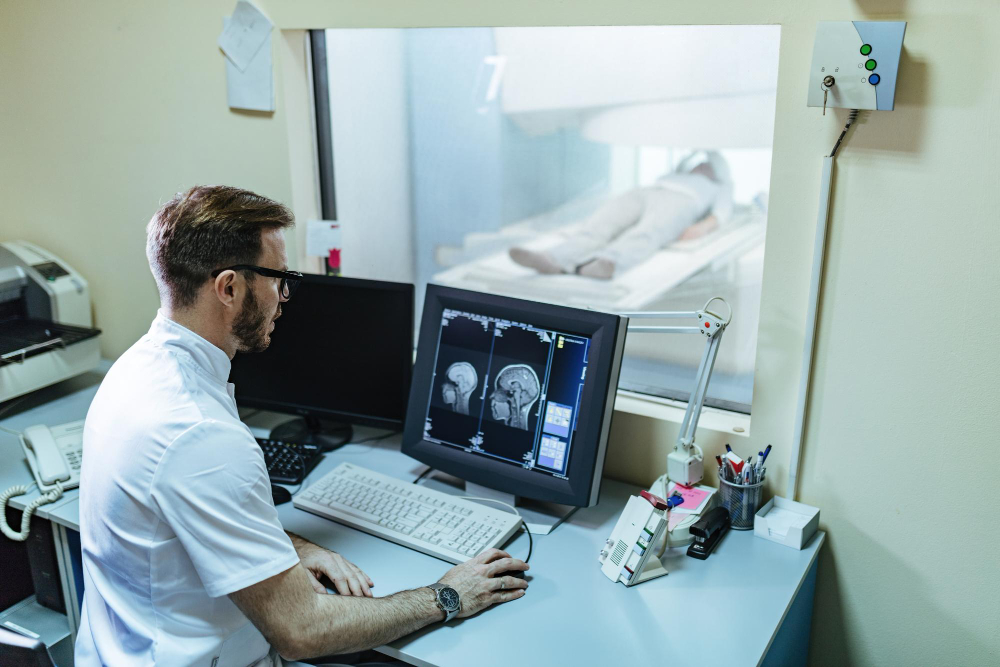
A CT scan, or computed tomography scan, is a special type of X-ray. It takes many pictures of the inside of your body. These images help doctors see bones, organs, and tissues more clearly. When you hear about a CT scan with contrast vs without contrast, it means there are two ways to do this test. Both types help doctors find problems inside your body. However, they use different methods to show details.
What Is Contrast in CT Scans?
Sometimes, doctors use a special dye called contrast during a CT scan. This dye helps certain parts of your body stand out in the pictures. For example, contrast dye in CT scans can make blood vessels, organs, or tumors easier to see. The dye is usually given through a vein in your arm, but sometimes you might drink it or get it another way. Without contrast, the scan still works, but some details may not show up as clearly.
Key Differences Between CT Scan With Contrast and Without Contrast
Although both types of CT scans use X-rays, there are key differences between them. Understanding these differences helps you know what to expect.
Additionally, a CT scan with contrast often takes a little longer. You might also need to answer questions about allergies or kidney health before getting the dye.
When Is a CT Scan With Contrast Used?
Doctors may order a CT scan with contrast for several reasons. For instance, they use it when they need to see blood vessels, organs, or certain growths more clearly. Here are some common uses:
Sometimes, your symptoms—such as unexplained pain, swelling, or changes in organ function—may lead your doctor to choose a CT scan with contrast. If you wonder, “when do you need a CT scan with contrast?” it is often when more detail is needed to make a diagnosis.
When Is a CT Scan Without Contrast Used?
On the other hand, a non-contrast CT scan is helpful in many situations. For example, doctors use it to look at bones, lungs, or certain types of bleeding. Here are some common non-contrast CT scan uses:
Because a non-contrast CT scan does not use dye, it is often quicker and may be safer for people with allergies or kidney problems. If you visit CT scan centers in your city, they may suggest this type if you have certain health risks.
Risks and Safety Considerations
CT scan safety is important for everyone. While both types of CT scans use X-rays, the amount is usually low. However, doctors only order these tests when needed. With contrast dye, there are a few extra things to consider:
According to the CDC and WHO, most people have no problems with CT scans. Still, always tell your doctor about allergies, asthma, or kidney issues before your scan.
How to Prepare for Each Type of CT Scan
Preparation for a CT scan depends on the type you need. For both types, you may be asked to avoid eating or drinking for a few hours. However, if you are getting a CT scan with contrast, you might need to:
For a non-contrast CT scan, preparation is usually simple. You may only need to change into a gown and remove metal items. Always follow the instructions from your CT scan center or doctor. This helps make sure your scan is safe and accurate.