Introduction
Cardiac MRI is a powerful, non-invasive heart test. It helps doctors see the heart in great detail. Unlike some other tests, it gives clear images of the heart muscle and shows how well the heart is working. Many people hear about heart muscle assessment or cardiac function imaging when they visit a doctor. Cardiac MRI is often used for these reasons. Because it is safe and does not use radiation, it is a popular choice for many patients. In this blog, you will learn how Cardiac MRI goes beyond the angiogram to help doctors care for your heart.
What is Cardiac MRI?
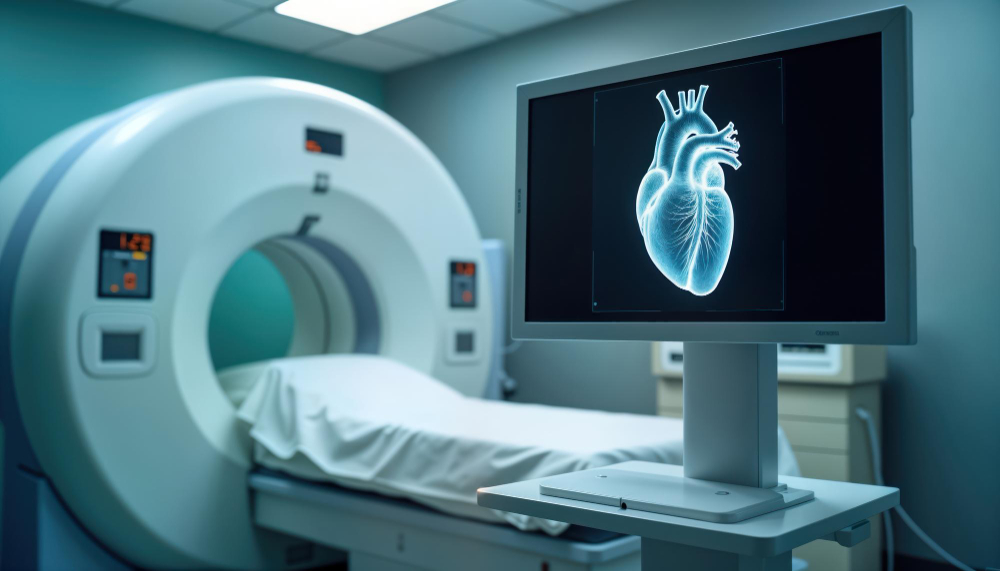
Cardiac MRI stands for Cardiac Magnetic Resonance Imaging. It uses strong magnets and radio waves to create detailed pictures of your heart. This test does not use X-rays or radiation. Instead, it shows the heart’s structure and function in a safe way. Doctors use Cardiac MRI to look at the heart muscle, heart chambers, and blood flow. As a result, they can spot problems that other tests might miss.
How Cardiac MRI Differs from an Angiogram
Many people know about angiograms. An angiogram uses dye and X-rays to look at blood vessels in the heart. However, Cardiac MRI is different. It does not need dye injected into arteries. Instead, it uses magnets to make images. While angiograms show blockages in blood vessels, Cardiac MRI shows the heart muscle, valves, and how well the heart pumps. Therefore, Cardiac MRI gives a broader view of heart health.
Why Cardiac MRI is Important for Assessing Heart Muscle and Function
Cardiac MRI gives doctors a clear look at the heart muscle. For example, it can show if the muscle is weak, scarred, or inflamed. It also measures how well the heart pumps blood. Because of this, doctors can find problems early and plan the best treatment. Cardiac MRI is often used when other tests do not give enough information. According to the American Heart Association, Cardiac MRI is very useful for complex heart conditions.
Common Indications for Cardiac MRI
Doctors may suggest Cardiac MRI for several reasons. Some common reasons include:
In many cases, Cardiac MRI helps confirm a diagnosis or guides further treatment.
The Procedure: What to Expect
Before the test, you may need to change into a hospital gown. You will lie on a table that slides into a large, tunnel-shaped machine. During the scan, you must stay still. Sometimes, you may need to hold your breath for a few seconds. The test usually takes 30 to 60 minutes. While the machine makes loud noises, earplugs or headphones are often provided. After the test, you can return to normal activities right away.
Benefits and Limitations
Cardiac MRI offers many benefits:
However, there are some limitations. For instance, people with certain metal implants or pacemakers may not be able to have this test. Also, Cardiac MRI may not be available in all hospitals.
Safety and Risks
Cardiac MRI is very safe for most people. Because it does not use radiation, there is no risk from X-rays. However, people with metal implants, such as pacemakers, should tell their doctor before the test. Rarely, some people may feel anxious in the MRI machine. If you have kidney problems, let your doctor know, as some contrast agents may not be safe for you. According to the World Health Organization, MRI is safe when used properly.
How Results Guide Treatment
After the test, a doctor reviews the images. The results help doctors decide on the best treatment. For example, if the heart muscle is weak, you may need medicine or other care. If there is scarring, your doctor can plan further tests or treatments. Cardiac MRI results often help avoid unnecessary procedures. Because of this, it is a valuable tool for heart care.
Lifestyle and Prevention Tips for Heart Health
While tests like Cardiac MRI are helpful, keeping your heart healthy is important. Here are some simple tips:
By following these steps, you can lower your risk of heart problems.
Conclusion
Cardiac MRI is a safe, non-invasive way to assess heart muscle and function. It gives doctors detailed information to guide your care. If you have questions about your heart, consult at Vista Imaging and Medical Centre Private Limited for personalized advice about Cardiac MRI and your heart health.