Introduction
When you need a medical imaging test, you may wonder about CT Scan vs MRI. Both tests help doctors see inside your body. They are important for finding many health problems. A CT scan uses X-rays to create pictures. An MRI uses strong magnets and radio waves. Since each test works differently, doctors choose the best one for your condition. For example, some people ask about CT scan vs MRI for brain or MRI vs CT scan for back pain. Understanding the difference between CT and MRI can help you feel more prepared.
How CT Scans Work
CT stands for computed tomography. This test uses X-rays to take many pictures from different angles. After that, a computer puts these images together. As a result, doctors get a clear view of your organs, bones, and blood vessels. Usually, a CT scan is quick and painless. Sometimes, you may need to drink a special dye or get it through a vein. This dye helps certain areas show up better on the scan.
How MRI Scans Work
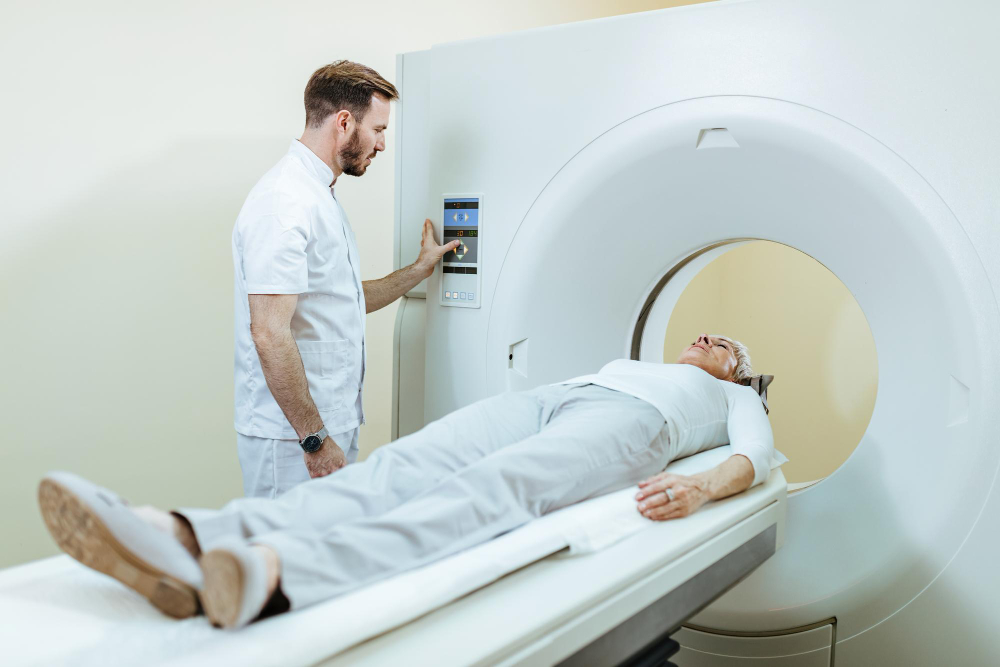
MRI stands for magnetic resonance imaging. Instead of X-rays, MRI uses a strong magnet and radio waves. Because of this, MRI can show soft tissues in great detail. During the scan, you will lie still inside a large tube. The machine makes loud noises, but the test is safe. Sometimes, doctors use a dye to help highlight certain tissues. However, this dye is different from the one used in CT scans.
Key Differences Between CT and MRI
Although both tests create images, they work in different ways. Here are some key differences between CT and MRI:
Because of these differences, doctors choose the test that fits your needs best.
Common Uses for CT Scans
Doctors often use CT scans for many reasons. For instance, a CT scan can help find:
Sometimes, a CT scan is the first test used in emergencies. In addition, CT scan vs MRI for brain injuries may depend on how fast results are needed.
Common Uses for MRI Scans
On the other hand, MRI scans are often used for soft tissue problems. For example, doctors may order an MRI for:
Because MRI shows soft tissues so well, it is often chosen for nerve or muscle problems. When comparing MRI vs CT scan for back pain, MRI usually gives more detail.
Benefits and Limitations of Each Imaging Test
Each test has its own strengths. For example, CT scans are:
However, CT scans use radiation. This can be a concern if you need many scans. MRI scans, in contrast, do not use radiation. They are:
But, MRI scans take longer and can be noisy. Some people may feel uncomfortable in the tube. Also, people with certain metal implants cannot have an MRI.
Safety Considerations and Risks
Both tests are generally safe. Still, there are some risks to know. For CT scans, the main risk is exposure to a small amount of radiation. According to the CDC, this risk is low, but doctors avoid unnecessary scans. For MRI, the biggest concern is metal in the body. For example, people with pacemakers or some implants may not be able to have an MRI. In rare cases, the dye used in either test can cause an allergic reaction. However, most people have no problems.
How Doctors Decide Which Test to Use
Doctors look at your symptoms and medical history before choosing a test. For instance, if you have a head injury, a CT scan may be faster. If you have long-term back pain, an MRI may show more detail. Sometimes, doctors use both tests for a full picture. They also consider your age, allergies, and any metal in your body. Because each person is different, your doctor will explain why a certain test is best for you.