

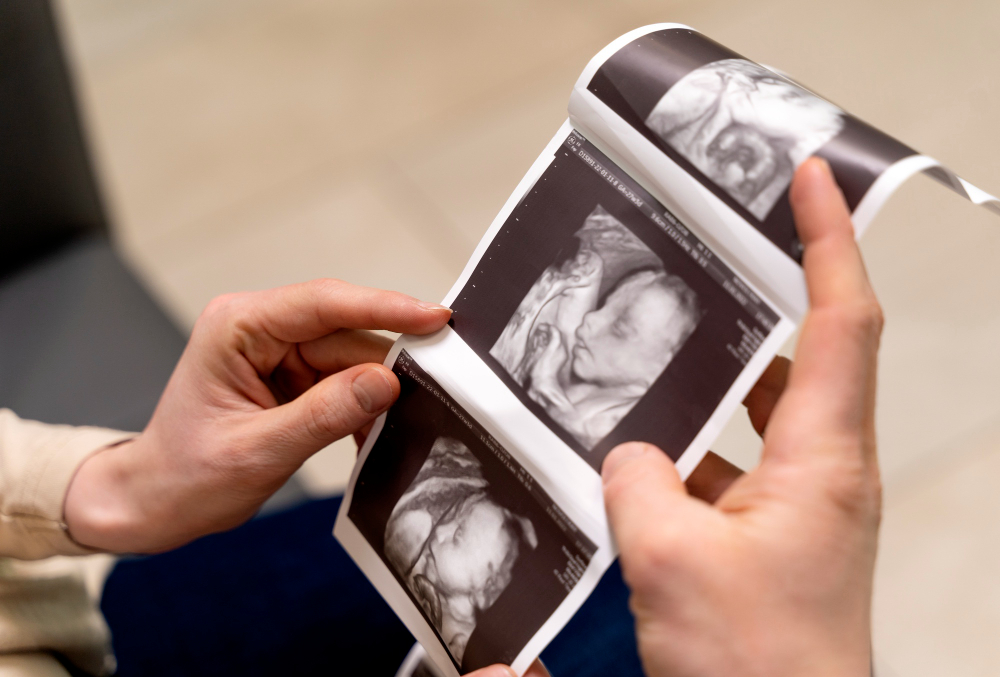
What Is an MRI Fetus?
An MRI fetus, also called a fetal MRI scan, is a special test. It uses strong magnets and radio waves to create clear pictures of a baby inside the womb. Unlike X-rays, MRI does not use radiation. Instead, it gives doctors detailed images of the fetus and the mother’s body. Often, doctors use MRI when they need more information than an ultrasound can provide.
Why Is MRI Used During Pregnancy?
Sometimes, doctors need to learn more about a baby’s health before birth. For example, if an ultrasound shows something unusual, an MRI fetus scan can help. In addition, MRI can show details about the baby’s brain, spine, or other organs. This helps doctors plan the best care for both mother and baby. Although ultrasound is the first choice, MRI is helpful when more detail is needed.
How Is an MRI Performed on a Fetus?
During a fetal MRI, the mother lies on a table that slides into the MRI machine. The scan usually takes 30 to 60 minutes. While the machine makes loud noises, earplugs or headphones are provided. The mother must stay still so the images are clear. However, the baby may move, but the MRI can still capture good pictures. No needles or injections are usually needed, unless a contrast dye is required, which is rare.
Safety and Risks of Fetal MRI
Many people ask, “Is MRI safe for fetus?” According to the World Health Organization (WHO) and the American College of Radiology, MRI during pregnancy is considered safe. Unlike X-rays, MRI does not use harmful radiation. However, doctors avoid MRI in the first trimester unless it is urgent. Most side effects are mild, such as feeling warm or hearing loud sounds. Rarely, a contrast dye called gadolinium is used, but only if truly needed. Always talk to your doctor about any concerns.
Preparation and What to Expect During the Procedure
During the scan, you will lie on your back or side. The staff will help you get comfortable. You may hear loud tapping or thumping sounds, but this is normal. If you feel anxious, let the staff know. They can talk to you through a speaker at any time.
Benefits and Limitations of Fetal MRI
Fetal MRI offers many benefits. For instance, it gives clearer images of the baby’s brain and organs than ultrasound. This helps doctors make better decisions. Also, MRI can spot problems that ultrasound might miss. However, there are some limits. MRI is not always available in every hospital. It can also be expensive. In addition, MRI may not show all birth defects. Sometimes, the baby’s movement can blur the images.
Frequently Asked Questions (FAQs)
Conclusion
In summary, an MRI fetus scan is a safe and helpful tool during pregnancy. It gives doctors clear images to guide care. However, always consult at Vista Imaging and Medical Centre Private Limited for personalized advice about fetal MRI.